Polyethylene (PE)
Polyethylene is one of the most commonly used polymers in various industries. The different types of polyethylene are:
LDPE (Low-Density Polyethylene):
Soft and flexible, suitable for the production of bags and packaging films.
HDPE (High-Density Polyethylene):
Hard and resistant, used in pipes, bottles, and industrial products.
LLDPE (Linear Low-Density Polyethylene):
A combination of LDPE and HDPE, suitable for producing thin packaging films.
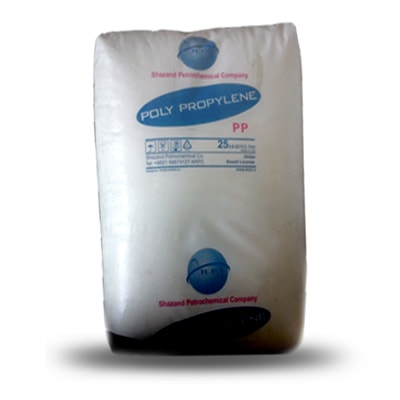
Polypropylene (PP)
Polypropylene is a durable and lightweight polymer used in various industries:
Homo-polymer PP:
Suitable for rigid applications, such as automotive and electronic components.
Co-polymer PP:
Suitable for flexible applications, including pipes and packaging.
Random Co-polymer PP:
Used for producing clear films and temperature-sensitive packaging.
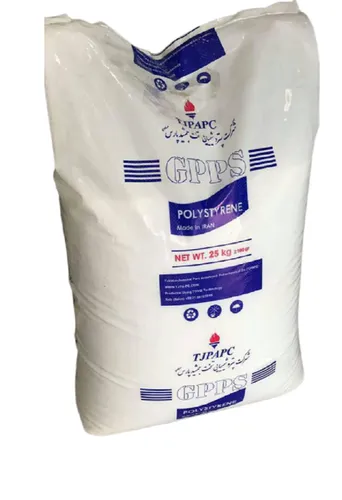
Polystyrene (PS)
Polystyrene is used for producing disposable containers and foam packaging:
GPPS (General Purpose Polystyrene):
Transparent and brittle, suitable for general applications.
HIPS (High Impact Polystyrene):
Impact-resistant, used for manufacturing industrial parts and household items.
EPS (Expanded Polystyrene):
Expanded foam, suitable for insulation and packaging.
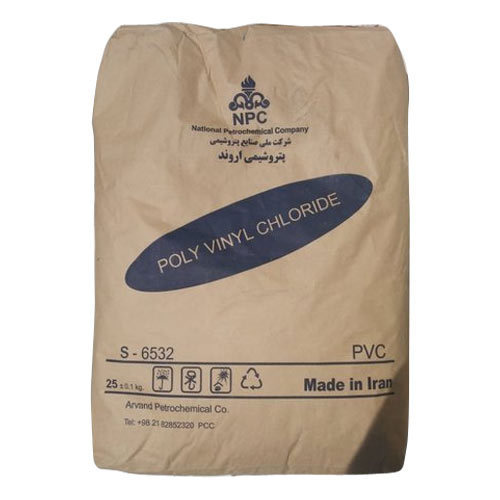
Polyvinyl Chloride (PVC)
PVC is used in the construction industry and for manufacturing flooring:
Rigid PVC (uPVC):
A hard type, suitable for pipes, windows, and construction profiles.
Flexible PVC:
Soft and flexible, used for producing cables and hoses.
PVC Paste:
Used for manufacturing thinner products such as floor coverings and gloves.
Polyethylene Terephthalate (PET)
PET is used for producing beverage bottles and synthetic fibers:
Bottle-grade PET:
Suitable for beverage bottles and food packaging.
Fiber-grade PET:
Suitable for producing synthetic fibers and textiles.
Film-grade PET:
Suitable for producing clear films and heat-resistant packaging.
Sodium Hydroxide (NaOH)
Sodium hydroxide is a strong alkaline substance used in the chemical industry.
Solid NaOH:
Available in pellet or granular form, used for industrial applications.
Liquid NaOH:
Sodium hydroxide solution, used for water treatment and chemical processes.
Sulfuric Acid (H₂SO₄)
Sulfuric acid is one of the most widely used industrial acids.
Battery-grade H₂SO₄:
Used for producing acid batteries.
Industrial-grade H₂SO₄:
Used in general industrial applications and metal refining.
Reagent-grade H₂SO₄:
For laboratory use with high purity.
Nitric Acid (HNO₃)
Nitric acid is a strong and oxidative acid.
Fertilizer-grade HNO₃:
Used for producing nitrogenous fertilizers.
Industrial-grade HNO₃:
Used in chemical industries and the production of explosives.
Reagent-grade HNO₃:
For laboratory use with high purity.
Ammonia (NH₃)
Ammonia is used in the production of chemical fertilizers and cleaning products.
Anhydrous Ammonia:
Without water, used for producing chemical fertilizers and in chemical industries.
Aqueous Ammonia:
Solution in water, used for producing cleaning agents and water treatment.
Sodium Carbonate (Na₂CO₃)
Sodium carbonate is used in the production of glass and cleaning products.
Light Sodium Carbonate:
Used for producing chemical products and cleaning agents.
Dense Sodium Carbonate:
Used for manufacturing industrial glass and heavier applications.